Introduction
Human anatomy is one of the most important subjects in the medical field. It helps medical students understand the structure of the human body, the arrangement of organs, and the relationship between various anatomical structures. For students beginning their MBBS journey, anatomy is often one of the first major subjects they encounter.
Learning hundreds of anatomical structures, muscles, bones, nerves, and blood vessels can feel challenging. However, choosing an appropriate Vishram Singh anatomy book for medical students and following a proper study strategy can make the learning process easier.
Vishram Singh’s Textbook of Anatomy is a recognised reference in undergraduate medical education. It is considered by students who want to develop a better understanding of gross anatomy, regional anatomy, and human body structures.
This article provides an independent educational overview of Vishram Singh’s anatomy textbook, its relevance to medical education, important anatomy topics, and effective study techniques for MBBS students, medical graduates, doctors, and healthcare professionals.
Whether you are preparing for your first-year MBBS examinations, improving your anatomical knowledge, or revising important clinical concepts, understanding anatomy is essential for building a strong medical foundation.
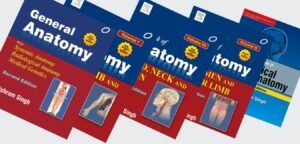
What Is Vishram Singh’s Textbook of Anatomy?
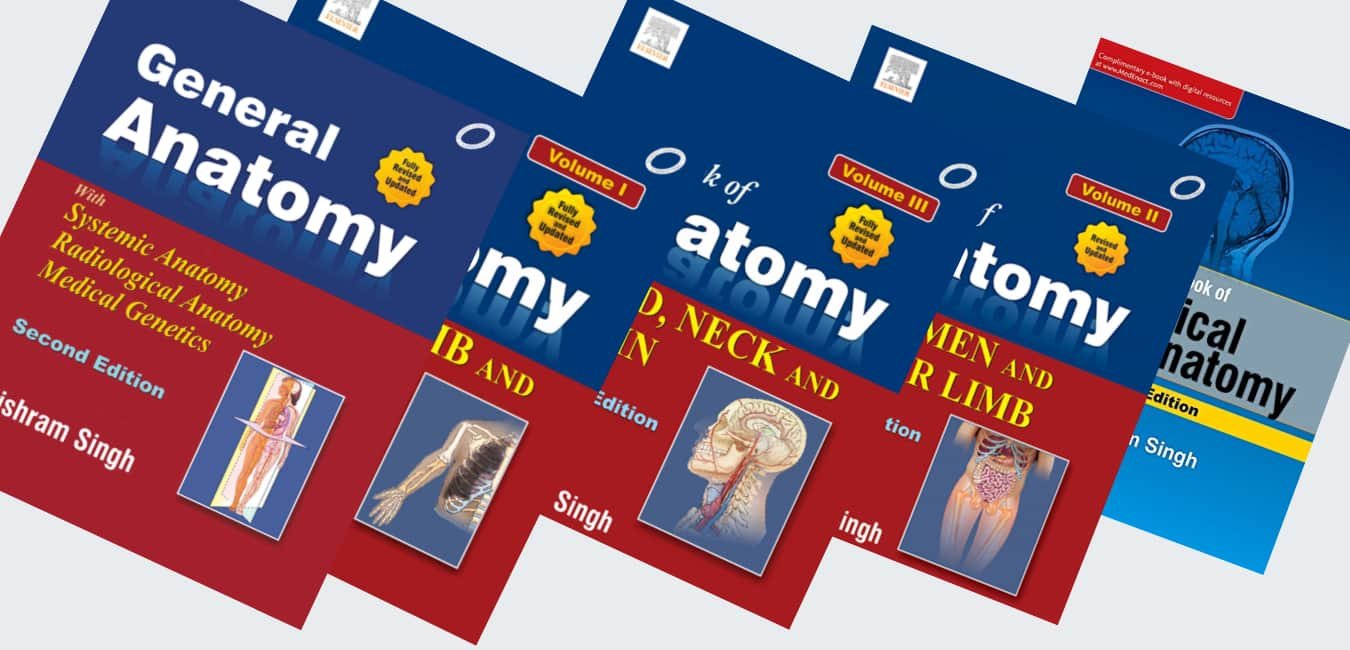
Vishram Singh’s Textbook of Anatomy is a medical reference used by undergraduate medical students to study the structure and organisation of the human body.
The textbook is published in multiple volumes covering different anatomical regions and subjects. It is intended to support systematic learning of human anatomy throughout medical education.
Students studying anatomy can use dedicated textbooks to understand:
- Anatomical terminology and basic concepts.
- Bones, joints, and muscles.
- Nerves and blood vessels.
- Regional anatomy.
- Relationships between different body structures.
- Important anatomical concepts relevant to clinical medicine.
For medical students, a structured anatomy reference can help organise learning according to the university syllabus. Medical professionals may also revisit anatomy resources when reviewing anatomical relationships relevant to clinical examinations and procedures.
Students should check the relevant edition and volume before purchasing or selecting the textbook.
Importance of Anatomy in Medical Education
Anatomy for MBBS students, BDS, and other medical students is much more than memorising the names of organs and body structures. It provides the foundation for understanding how the human body is organised and how different structures work together.
Anatomical knowledge is important in several areas of healthcare.
1. Foundation for Clinical Medicine
A strong understanding of anatomy helps medical students understand the location of organs, the distribution of nerves, and the relationship between different tissues.
This knowledge becomes useful when studying physiology, pathology, pharmacology, and clinical medicine.
2. Understanding Physical Examination
Doctors use anatomical knowledge during physical examinations.
For example, understanding the location of anatomical landmarks helps healthcare professionals examine the abdomen, chest, joints, and nervous system.
3. Importance in Surgery
Surgical anatomy helps healthcare professionals understand the location of important structures and their relationships during surgical procedures.
Knowledge of blood vessels, nerves, muscles, and organs is essential for safe clinical practice.
4. Understanding Medical Imaging
Anatomy is important for interpreting medical imaging studies such as:
- X-rays
- CT scans
- MRI scans
- Ultrasound examinations
A good understanding of anatomical structures helps medical professionals recognise normal anatomy and identify possible abnormalities.
5. Clinical Diagnosis
Anatomical knowledge can help clinicians understand the possible location of injuries, nerve damage, and structural abnormalities.
For example, knowledge of the peripheral nerves helps explain why certain injuries produce weakness or loss of sensation in particular areas.
Major Topics in Human Anatomy for Medical Students
Human anatomy covers several important regions and systems. Medical students should study these topics systematically to develop a strong foundation.
Table of contents
Volume 0: General anatomy
- Unit I: Introduction and History of Anatomy
- Unit II: Anatomical Terminology
- Unit III: Architecture and Design of the Human Body
- Unit IV: Cells and Tissues of the Body
- Unit V: Skin, Superficial Fascia, and Deep Fascia
- Unit VI: Skeleton
- Unit VII: Joints
- Unit VIII: Vertebral Column
- Unit IX: Muscular System
- Unit X: Cardiovascular System
- Unit XI: Lymphatic System
- Unit XII: Nervous System
- Unit XIII: Endocrine System
- Unit XIV: Digestive and Respiratory System
- Unit XV: Urogenital System
- Unit XVI: Radiological (Imaging) Anatomy
- Unit XVII: Medical Genetics
- Index
General anatomy: PDF Download
Download Link: [Download PDF Free] -Vishram Singh Textbook of General Anatomy
Textbook of Anatomy Volume I (Upper Limb and Thorax)
- Unit I: Introduction to the Upper Limb (UL)
- Unit II: Bones of the Upper Limb (UL)
- Unit III: Pectoral Region
- Unit IV: Axilla (Armpit)
- Unit V: Scapular Region and Back of the Body
- Unit VI: Complex Shoulder Joint (Joints of Shoulder Girdle)
- Unit VII: Cutaneous Innervation, Venous and Lymphatic Drainage of the Upper Limb (UL)
- Unit VIII: Arm
- Unit IX: Forearm
- Unit X: Elbow and Radio-ulnar Joints
- Unit XI: Hand
- Unit XII: Joints and Movements of the Hand
- Unit XIII: Major Nerves of the Upper Limb (UL)
- Unit XIV: Introduction to Thorax and Thoracic Cage
- Unit XV: Bones and Joints of the Thorax
- Unit XVI: Thoracic Wall and Mechanism of Respirations
- Unit XVII: Pleural Cavities
- Unit XVIII: Lungs (Pulmones)
- Unit XIX: Mediastinum
- Unit XX: Pericardium and Heart
- Unit XXI: Aorta, Pulmonary Trunk, Superior Vena Cava, and Thymus
- Unit XXII: Trachea and Oesophagus
- Unit XXIII: Thoracic Duct, Thoracic Sympathetic Trunks, and Azygos and Hemiazygos Veins
- Multiple Choice Questions
- Index
Textbook of Anatomy Volume I: PDF Download
Download Link: [Download PDF Free] -Vishram Singh Textbook of Anatomy (Upper Limb and Thorax)
Textbook of Anatomy Volume II (Abdomen and Lower Limb)
- Chapter I: Introduction and Overview of the Abdomen
- Chapter II: Osteology of the Abdomen
- Chapter III: Anterior Abdominal Wall
- Chapter IV: Inguinal Region/Groin
- Chapter V: Male External Genital Organs
- Chapter VI: Abdominal Cavity and Peritoneum
- Chapter VII: Abdominal Part of Oesophagus, Stomach, and Spleen
- Chapter VIII: Liver and Extrahepatic Biliary Apparatus
- Chapter IX: Duodenum, Pancreas, and Portal Vein
- Chapter X: Small and Large Intestines
- Chapter XI: Kidneys, Ureters, and Suprarenal Glands
- Chapter XII: Posterior Abdominal Wall and Associated Structures
- Chapter XIII: Pelvis
- Chapter XIV: Pelvic Walls and Associated Soft Tissue Structures
- Chapter XV: Perineum
- Chapter XVI: Urinary Bladder and Urethra
- Chapter XVII: Male Genital Organs
- Chapter XVIII: Female Genital Organs
- Chapter XIX: Rectum and Anal Canal
- Chapter XX: Introduction to the Lower Limb
- Chapter XXI: Bones of the Lower Limb
- Chapter XXII: Front of the Thigh
- Chapter XXIII: Medial Side of the Thigh
- Chapter XXIV: Gluteal Region
- Chapter XXV: Back of the Thigh and Popliteal Fossa
- Chapter XXVI: Hip Joint
- Chapter XXVII: Front of the Leg and Dorsum of the Foot
- Chapter XXVIII: Lateral and Medial Sides of the Leg
- Chapter XXIX: Back of the Leg
- Chapter XXIX: Sole
- Chapter XXX: Arches of the Foot
- Chapter XXXII: Joints of the Lower Limb
- Chapter XXXIII: Venous and Lymphatic Drainage of the Lower Limb
- Chapter XXXIV: Innervation of the Lower Limb
- Multiple Choice Questions
- Index
Textbook of Anatomy Volume II: PDF Download
Download Link: [Download PDF Free]- Vishram Singh Textbook of Anatomy Volume II (Abdomen and Lower Limb)
Textbook of Anatomy Volume II (Head, Neck, and Brain)
- Chapter I: Living Anatomy of the Head and Neck
- Chapter II: Osteology of the Head and Neck
- Chapter III: Scalp, Temple, and Face
- Chapter IV: Skin, Superficial Fascia, and Deep Fascia of the Neck
- Chapter V: Side of the Neck
- Chapter VI: Anterior Region of the Neck
- Chapter VII: Back of the Neck and Cervical Spinal Column
- Chapter VIII: Parotid Region
- Chapter IX: Submandibular Region
- Chapter X: Infratemporal Fossa, Temporomandibular Joint, and Pterygopalatine Fossa
- Chapter XI: Thyroid and Parathyroid Glands, Trachea, and Oesophagus
- Chapter XII: Pre- and Paravertebral Regions and Root of the Neck
- Chapter XIII: Oral Cavity
- Chapter XIV: Pharynx and Palate
- Chapter XV: Larynx
- Chapter XVI: Blood Supply and Lymphatic Drainage of the Head and Neck
- Chapter XVII: Nose and Paranasal Air Sinuses
- Chapter XVIII: Ear
- Chapter XIX: Orbit and Eyeball
- Chapter XX: Vertebral Canal and Its Contents
- Chapter XXI: Cranial Cavity
- Chapter XXII: Cranial Nerves
- Chapter XXIII: General Plan and Membranes of the Brain
- Chapter XXIV: Brainstem
- Chapter XXV: Cerebellum and Fourth Ventricle
- Chapter XXVI: Diencephalon and Th ird Ventricle
- Chapter XXVII: Cerebrum
- Chapter XXVIII: Basal Nuclei and Limbic System
- Chapter XXIX: Blood Supply of the Brain
- Multiple Choice Questions
- Index
Textbook of Anatomy Volume III: PDF Download
Download Link: [Download PDF Free]- Vishram Singh Textbook of Anatomy Volume III (Head, Neck, and Brain)
Textbook of Clinical Embryology
- Introduction to Human Embryology
- Reproductive System
- Cell Division and Gametogenesis
- Fertilisation and Formation of Germ Layers
- Formation of Primitive Streak, Notochord, Neural Tube, Subdivisions of Intraembryonic Mesoderm, and Folding of Embryo
- Extraembryonic Membranes and Twinning
- Integumentary System
- Skeletal System
- Muscular System
- Pharyngeal Apparatus
- Development of Tongue and Thyroid
- Development of Face, Nose, and Palate
- Digestive Tract
- Major Digestive Glands and Spleen
- Development of Oral Cavity (Mouth)
- Respiratory System
- Body Cavities and Diaphragm
- Development of Heart
- Development of Blood Vessels
- Development of Urinary System
- Genital System
- Development of Nervous System
- Pituitary, Pineal, and Adrenal Glands
- Eye and Ear
- Medical Genetics
- Application of Embryology in Clinical Practice
Multiple Choice Questions
Figure Credits
Index
Download Link: [Download PDF Free]
Neuroanatomy
Neuroanatomy focuses on the structure of the nervous system, including the brain, spinal cord, and peripheral nerves.
Important areas include:
- Brain anatomy.
- Spinal cord.
- Cerebral hemispheres.
- Brainstem.
- Cerebellum.
- Cranial nerves.
- Spinal nerves.
- Autonomic nervous system.
- Major sensory and motor pathways.
Clinical importance: Neuroanatomy helps students understand neurological examinations, brain injuries, spinal cord disorders, and nervous system diseases.
Download Link: [Download PDF Free]
How to Study Vishram Singh’s Textbook of Anatomy Effectively
Studying anatomy requires consistency, practical learning, and regular revision. Simply reading a textbook repeatedly may not be enough to remember complex anatomical structures.
Here are some effective anatomy study tips for MBBS students.
1. Understand Basic Anatomical Terminology
Start with basic anatomical concepts such as:
- Anatomical position.
- Anatomical planes.
- Directional terms.
- Body cavities.
- Anatomical movements.
- Surface landmarks.
These concepts help you understand the location and relationship of different structures.
2. Learn Through Diagrams
Anatomy diagrams for medical students are valuable learning tools.
Try drawing bones, muscles, nerves, and organs yourself. This improves visual understanding and helps you remember anatomical relationships.
Use original illustrations or appropriately licensed educational images.
3. Follow a Regional Study Plan
Instead of studying random topics, divide the anatomy syllabus into manageable regions.
For example:
- General anatomy.
- Upper limb.
- Lower limb.
- Thorax.
- Abdomen.
- Head and neck.
- Neuroanatomy.
Follow your university’s prescribed syllabus when arranging these topics.
4. Practise Active Recall
After completing a chapter or topic, close your textbook and try to explain the important structures from memory.
Ask yourself questions such as:
- What are the important structures in this region?
- Which nerves supply these muscles?
- What are the major blood vessels?
- How are nearby anatomical structures related?
This approach helps identify topics that need additional revision.
5. Connect Anatomy With Clinical Cases
Try to understand the clinical relevance of the structures you study.
For example, when learning about the radial nerve, also understand the possible effects of radial nerve injury on wrist and finger movements.
This makes anatomy more meaningful for future clinical practice.
6. Revise Important Topics Regularly
Anatomy revision for MBBS examinations should be part of your regular study schedule.
Review previously studied topics, practise diagrams, and test your understanding with questions.
Short and consistent revision sessions are often more manageable than studying everything just before examinations.
Why Medical Students Should Learn Clinical Anatomy
Clinical anatomy connects the structural organisation of the human body with medical practice.
It helps students understand how anatomical knowledge is used in patient examination, diagnostic procedures, and clinical decision-making.
Some examples include:
- Understanding the anatomical basis of nerve injuries.
- Identifying surface landmarks during physical examinations.
- Understanding the location of important blood vessels.
- Learning the anatomical basis of referred pain.
- Understanding common fractures and joint injuries.
- Interpreting normal anatomical structures on medical images.
For medical students, interns, residents, and healthcare professionals, clinical anatomy provides an important link between basic science and patient care.
Is Vishram Singh’s Textbook of Anatomy Useful for First-Year MBBS Students?
First-year and second-year MBBS, BDS, and other medical students need to develop a strong foundation in anatomy before progressing to more advanced medical subjects.
Vishram Singh’s Textbook of Anatomy is one of the established educational references students may consider during undergraduate medical education.
Its suitability depends on individual learning preferences, the university syllabus, and the specific volume being studied.
Students should consider the following when selecting an anatomy textbook:
- Clarity of explanations.
- Organisation of anatomical topics.
- Relevance to the university syllabus.
- Availability of useful diagrams.
- Suitability for theoretical and practical learning.
- Compatibility with their learning style.
It is also useful to combine textbook reading with anatomy lectures, dissection sessions, anatomical atlases, and clinical demonstrations.
Best Study Resources for Learning Human Anatomy
A single textbook may not cover every learning need. Combining different educational resources can help students develop a broader understanding of anatomy.
Useful learning resources include:
1. Anatomy textbooks: For structured explanations and academic reference.
2. Anatomical atlases: For visualising bones, muscles, nerves, organs, and anatomical relationships.
3. Dissection sessions: For understanding real anatomical structures through practical learning.
4. Medical lectures: For clarifying difficult concepts and important topics.
5. MCQs and practice questions: For testing knowledge and preparing for medical examinations.
6. Clinical case discussions: For understanding how anatomy relates to patient care.
Always use educational resources that are original, authorised, or appropriately licensed.
Anatomy Preparation Tips for Medical Professionals
Anatomy is not only important during undergraduate medical education. It remains relevant throughout professional medical practice.
Doctors and healthcare professionals may need to revise specific anatomical regions depending on their speciality.
For example:
- Surgeons: Regional and surgical anatomy.
- Orthopaedic specialists: Bones, joints, muscles, and ligaments.
- Neurologists: Brain, spinal cord, and peripheral nerve anatomy.
- Radiologists: Cross-sectional and imaging anatomy.
- Anesthesiologists: Regional anatomy relevant to anaesthesia procedures.
- Physiotherapists: Musculoskeletal and functional anatomy.
- Dentists: Oral, craniofacial, and head and neck anatomy.
Continuous learning helps healthcare professionals maintain and improve their anatomical knowledge.
Frequently Asked Questions About Vishram Singh’s Textbook of Anatomy
1. What is Vishram Singh’s Textbook of Anatomy?
Vishram Singh’s Textbook of Anatomy is a medical educational reference used by undergraduate medical students to study human anatomy and the structural organisation of the body.
2. Is Vishram Singh’s Anatomy useful for MBBS students?
It is one of the established anatomy references that MBBS students may consider when studying anatomical structures and related concepts. Students should select resources according to their university syllabus and learning requirements.
3. Which anatomy topics are important for first-year and second-year MBBS?
Important topics generally include general anatomy, upper limb, lower limb, thorax, abdomen, head and neck, neuroanatomy, and embryology, depending on the university curriculum.
4. How can I study anatomy effectively?
Study one region at a time, use anatomical diagrams, practise active recall, attend practical sessions, solve MCQs, and revise regularly.
5. Why is clinical anatomy important for doctors?
Clinical anatomy helps healthcare professionals understand the relationship between body structures and clinical findings. It is useful in physical examinations, diagnostic interpretation, and medical procedures.
6. Is anatomy important for medical entrance and university examinations?
Yes. Anatomy is an essential component of undergraduate medical education. Students should prepare according to their prescribed curriculum and examination pattern.
7. Can healthcare professionals use anatomy textbooks for revision?
Yes. Anatomy textbooks and reference materials can support ongoing learning and revision for doctors and other healthcare professionals.
8. Should I study anatomy only from one textbook?
No. Combining textbooks with atlases, practical sessions, lectures, and self-assessment resources can provide a more complete learning experience.
Conclusion
Vishram Singh’s Textbook of Anatomy is an established reference that medical students may consider when developing their knowledge of human anatomy. For MBBS students and medical professionals, understanding anatomy is essential for connecting basic medical science with clinical practice.
Rather than memorising every anatomical structure without understanding its significance, focus on learning the relationships between organs, muscles, nerves, bones, and blood vessels.
Regular revision, practical experience, anatomical diagrams, and clinical application can make anatomy easier to understand and remember.
At NotesMed, our goal is to provide original, accessible, and useful medical education content that supports students and healthcare professionals throughout their learning journey.
Educational Disclaimer:
This article is independently written for educational purposes. It is not affiliated with, endorsed by, or an official summary of Vishram Singh’s textbook or its publisher. It does not reproduce the textbook’s copyrighted content. Always consult authorised academic references and your university syllabus for detailed study.
About NotesMed:
NotesMed is an educational platform dedicated to supporting medical students and healthcare learners through informative medical articles and learning resources.